Category Archives: Guest Posts

Guest Post: Cultivating Your Writing with Time Away by Jan Kirchner

“Cultivating Your Writing with Time Away” by Jan Kirchner

Fellow Readers….

There have been many aspects of my life that have kept me busy.  My purpose for this post is to talk about a couple of these that keep me very busy, and then to explain why taking time away for yourself is important.  In my efforts to cultivate my writing, I may feel a bit of imposter syndrome, but as long as I’ve worked so hard to reclaim my mental health, I shouldn’t feel guilty about taking the time I need to become the writer I’ve always desired to be.

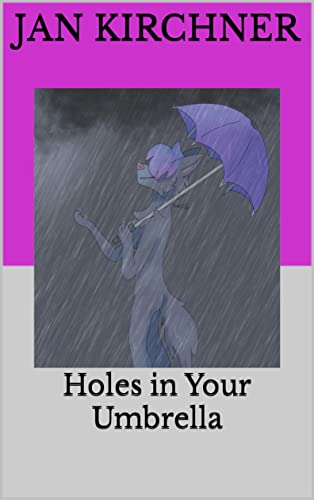
The first thing that keeps me forever busy is my job.  I’ve been a supervisor since August of 2021, and I work easily 50-60+ hours a week.  Yes, one week within the scope of my job.  So, how I managed to get Holes in Your Umbrella together will be forever a wonder.  But the next busy task is my daughter.  In my poem, “Presenting My Daughter” featured in my book, I discuss the challenges I’m faced with being her mom.  And trust me when I say there are many challenges to being this wonderful child’s parent.  She will forever be my mini-me.  Even though in February, she turned “sweet & sour” 16, she will forever be a priority in my life.  

The next task that has proven to now take up a good chunk of time is not only writing my books, but also promoting them.  If I were going through a traditional publisher, I would have a department devoted to the marketing and promotion of my novels.  But since I’ve declared myself an indie publisher, which I do not regret, I must do all the marketing and promoting myself.  It’s becoming a mini part-time job on its own.  If I let it. 

With all that being said, it is extremely important to the maintenance of my mental health to not let all this busyness swallow me up.  I could see myself getting completely lost mentally and emotionally if I’m not careful.  This week, I started using up a few hours of vacation time at work to focus on some things at home.  My husband and I even went on an afternoon movie date to see the new Spider-Man before it left the theater. If creative juices aren’t flowing from home, another option to recharge and gain some productive writing timing can be by planning a short weekend writing retreat getaway so you can have complete 100% solace to continue working on your next book. 

Of course you don’t want to let the important people and things in your life down.  However, in order to avoid regressing in your recovery, it is important to prioritize your mental and emotional health.

Author Bio

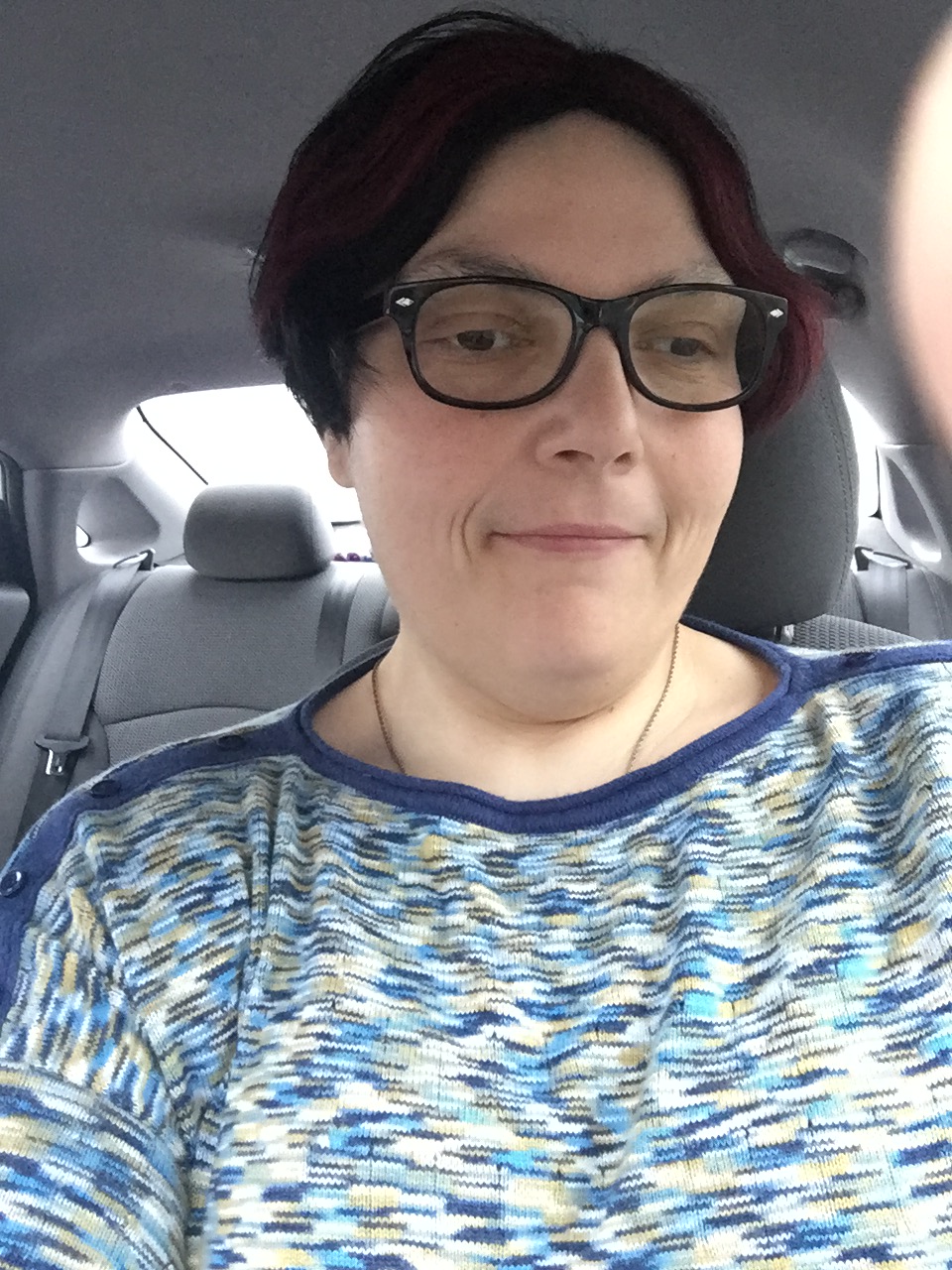
Sometimes she’s felt a little bit like Alice having fallen down the hole, following after the White Rabbit. However, most days she is the Mad Hatter who outwardly appears normal yet is crazier than a loon in her own mind.  Her name is Jan.  As long as she could remember, she’s always struggled with some form of mental and emotional health issues, but it wasn’t until she turned 40 that she found the strength to get professional help.  As of 2021, she was diagnosed bipolar-depressive with anxiety, PTSD, and most recently borderline personality disorder.  The BPD diagnosis came as a bit of a shock.  She’s always struggled with the internal question of Who is she?  But what she is finally embracing is she is we, and we are she. Enjoy more from Jan’s blog, Pieces of Fractured Glass And please feel free to reach out to Jan via https://linktr.ee/jankirchner which is the home to all the links where you can connect with her and her latest publications.   

More from Jan Kirchner:

***

Ashley O’Melia is an independent author and freelancer from Southern Illinois.  She holds her Bachelor’s Degree in Creative Writing and English from Southern New Hampshire University.  Her books include The Wanderer’s Guide to Dragon Keepingand The Graveside DetectiveHer short stories have been published in The Penmen Review, Siren’s Call, and Subcutaneous.  Ashley’s freelance work has spanned numerous genres for clients around the world.  You can find her on Facebook and Amazon.

As an Amazon Associate I earn from qualifying purchases. Please consider using my links to do your shopping and help me out at no extra cost to you!

Leave a comment

Filed under Guest Posts, On Writing

Guest Post: 15 Reasons You Need to Keep Writing by Teri M. Brown

What’s In It for Your Reader? 15 Reasons You Need to Keep Writing

As an author, I am not fond of marketing. I’d much rather be settled in, a cup of cocoa on my left, a notebook on my right, and my fingers tapping away at the keyboard in front of me. However, without marketing, all that writing would just languish on a shelf gathering dust. So, market I must.

My first foray into this arena was almost my last. The guru in charge of the session asked this question – “Why should someone buy your book?” The question was supposed to help me gain an understanding of what was in it for my reader. However, I drew a complete blank. Why should they? I couldn’t come up with anything other than I had written a good story that they would enjoy, but somehow, entertainment just didn’t seem like reason enough to ask someone to spend their hard-earned money.

Thankfully, I didn’t decide to about-face toward a career with easily recognizable benefits. Instead, I determined to discover the value of reading in order to answer that marketer’s question. Here are the fifteen that have helped me understand that being an author is as noble a profession as any other

1. Entertainment

“No entertainment is so cheap as reading, nor any pleasure so lasting.” – Mary Wortley Montagu

I’ll start with entertainment because it was the only item on my original list. Without a doubt, books are engaging and entertaining. We’ve all experienced a book we couldn’t put down. And we all hope that our next experience with a book is the same.

2. Learning New Things

“The more that you read, the more things you will know. The more that you learn, the more places you’ll go.” – Dr. Seuss

Whether you read fiction or nonfiction, you can learn things while reading a book. For instance, you might pick up a new word or hear about a new place. You might grasp a new concept or pick up a tidbit of history you missed in school. If you want to learn something, read a book!

3. Better Communication

“I believe there is power in words, power in asserting our existence, our experience, our lives, through words.” – Jesmyn Ward

Communication is an important life skill because it allows us to pass on needed information, form relationships, and generally, get things done. And guess what? Readers are better at both written and oral communication. Because they read, they use a stronger vocabulary and intuitively know the right style for writing.

4. Live Longer

“Some day you will be old enough to start reading fairy tales again.” – C.S. Lewis

This one blew me away. There was a retirement home study that found readers lived two years longer than nonreaders. Wow! If that isn’t a great benefit, then what is?

5. Improves Sleep

“Take a good book to bed with you. Books do not snore.” – Thea Dorn

Studies concerning reading are endless. One found that when you pair reading with a nighttime routine, you fall asleep faster. The only caveat is that you must read printed material rather than on a screen. That pesky blue light can wreak havoc with your body’s natural cycles.

6. Stronger Analytical Thinking Skills

“Reading furnishes the mind only with materials of knowledge; it is thinking that makes what we read ours.” – John Locke

When we read, we tend to think ahead and see if we can solve the mystery, determine the outcome, or notice the one detail that puts the entire story on its end. This is known as analytical thinking and is another one of those skills that employers want their employees to have. If you critique a book with others, not only are you using analytical skills, but you are pairing them with communication skills. It’s a win-win!

7. Improves imagination

“Reading is an active, imaginative act; it takes work.” – Khaled Hosseini

When reading fiction, your imagination goes to work visualizing the scenes, hearing the characters’ voices, and feeling the emotions. And why is imagination important? The benefits of imagination are as endless as the benefits of reading! Those with strong imaginations have fewer memory problems, increase problem-solving skills, and more.

8. Better Mental Health

“Reading—the best state yet to keep absolute loneliness at bay.” – William Styron

Feeling depressed? Studies show that reading a book will help. The field of bibliotherapy uses books to help people feel better. Try it for yourself.

9. Reduce Stress

“Reading is escape, and the opposite of escape; it’s a way to make contact with reality after a day of making things up, and it’s a way of making contact with someone else’s imagination after a day that’s all too real.” – Nora Ephron

Remember what I said about studies? It seems that one found that reading for 30 minutes can have an impact on your health. How? It lowers blood pressure and heart rate. Another study found that six minutes of reading reduces stress by over 60%.

Feeling stressed? Pick up a book.

So, the next time you’re feeling stressed, remember the benefits of reading for pleasure and let the tension melt away.

10. Building Brain Connections

“To train your body, lift increasingly heavier weights. To train your mind, read increasingly tougher books.” – Johnny Uzan

Reading helps you build brain connections, much the same way that exercising builds muscles. The more a person reads, the stronger these neural networks become.

Do you know the phrase “use it or lose it”? Yep – it’s true for reading!

11. Concentration and Focus

“To read a novel requires a certain kind of concentration, focus, devotion to the reading. If you read a novel in more than two weeks, you don’t read the novel really.” – Philip Roth

There is an entire body of literature on something called deep work. Deep work occurs when you can do something for a long time without distraction. And guess what? Reading books helps a person develop this ability! Your readers need to learn to focus, so why not focus on your book?

12. Memory

“I am an omnivorous reader with a strangely retentive memory for trifles.” – Arthur Conan Doyle,

Reading books helps to improve your memory. As you read, you have to keep all the details in mind. There’s the plot, the characters, the relationships, the environment, and more. As you store this information, your brain creates and strengthens synapses used for memory storage. The more you read, the better you will be at remembering things.

Can’t find your phone again? Read a book!

13. Motivation

“Fairy tales are more than true: not because they tell us that dragons exist, but because they tell us that dragons can be beaten.” – Neil Gaiman

When you read about a character who overcomes a challenge, it can be motivating. Book characters can help us be positive, work hard, and never give up.

14. Empathize

“Reading is the sole means by which we slip, involuntarily, often helplessly, into another’s skin, another’s voice, another’s soul.” – Joyce Carol Oates

Books let us look through the eyes of someone unlike ourselves. As we see the world as they see it, we gain an understanding of different points of view. In our world today, isn’t that an amazing benefit?

15. Inclusivity

“Reading makes immigrants of us all. It takes us away from home, but more important, it finds homes for us everywhere.” – Jean Rhys

Along with empathy, books help us be more inclusive. They help readers become more open-minded and tolerant. It’s hard to look at someone negatively if you’ve been able to relate to their story. We don’t discriminate against those we understand.

This little exercise has made my job of marketing my books so much easier. Books have value to readers. And, as an author, I have value as well.

About the Author:

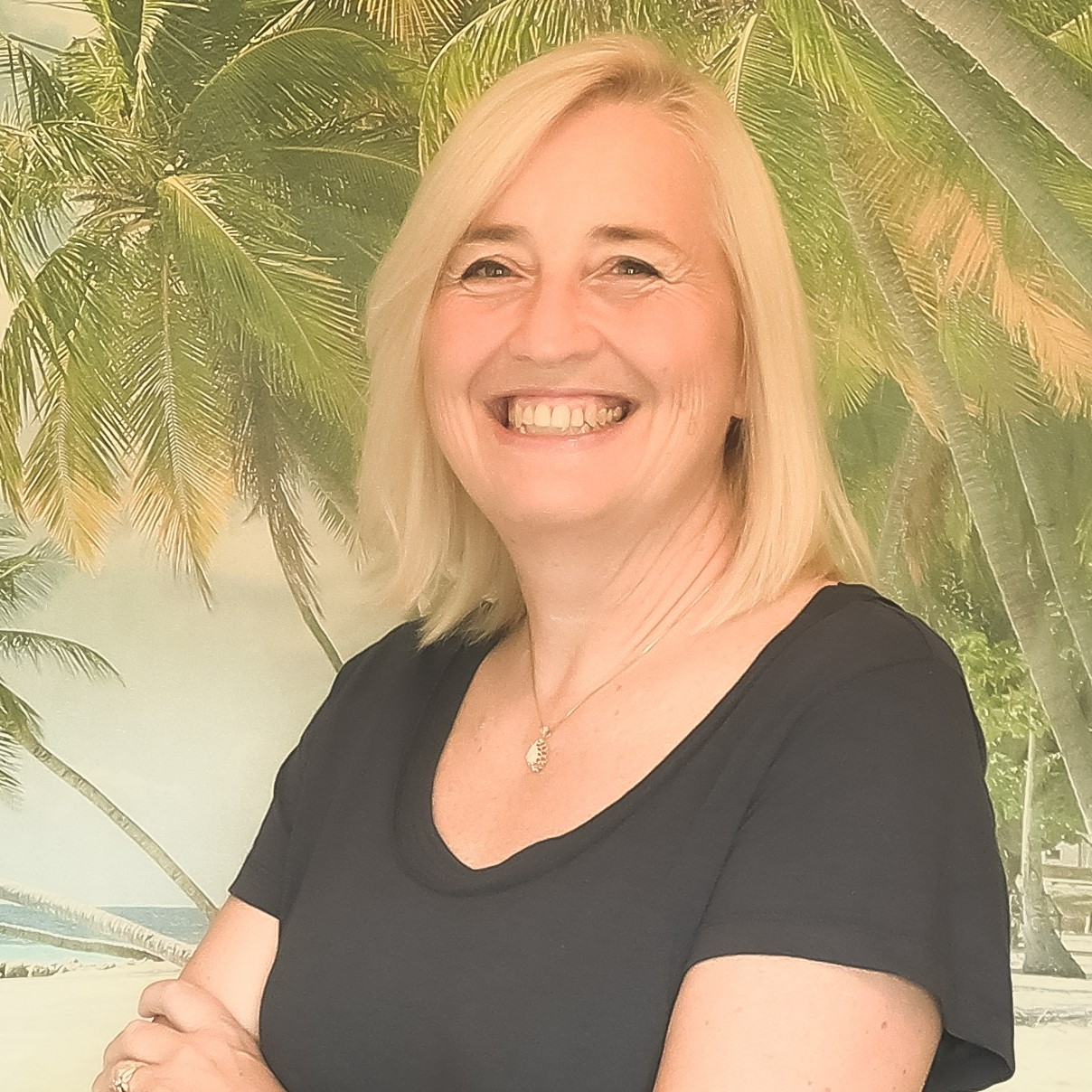
Born in Athens, Greece as an Air Force brat, Teri M Brown came into this world with an imagination full of stories to tell. She now calls the North Carolina coast home, and the peaceful nature of the sea has been a great source of inspiration for her creativity.

Not letting 2020 get the best of her, Teri chose to go on an adventure that changed her outlook on life. She and her husband, Bruce, rode a tandem bicycle across the United States from Astoria, Oregon to Washington DC, successfully raising money for Toys for Tots. She learned she is stronger than she realized and capable of anything she sets her mind to.

Teri is a wife, mother, grandmother, and author who loves word games, reading, bumming on the beach, taking photos, singing in the shower, hunting for bargains, ballroom dancing, playing bridge, and mentoring others.

Teri recently published her debut novel, Sunflowers Beneath the Snow, a historical fiction set in Ukraine that follows three generations of women. You can read the first chapter for free by joining her email list at https://deft-pioneer-4478.ck.page/c6edd375dd

Follow Teri on her website www.terimbrown.com

Or via the following social media:

Facebook.com/TeriMBrownAuthor

Twitter.com/TeriMBrown1

Instagram.com/TeriMBrown

LinkedIn.com/in/TeriMBrown

Goodreads.com/terimbrown

Pinterest.com/terimbrownauthor

Amazon Author: https://www.amazon.com/author/terimbrown

Leave a comment

Filed under Guest Posts, On Writing

Guest Post: Journey Toward Publication by Amber D. Browne

by Amber D. Browne

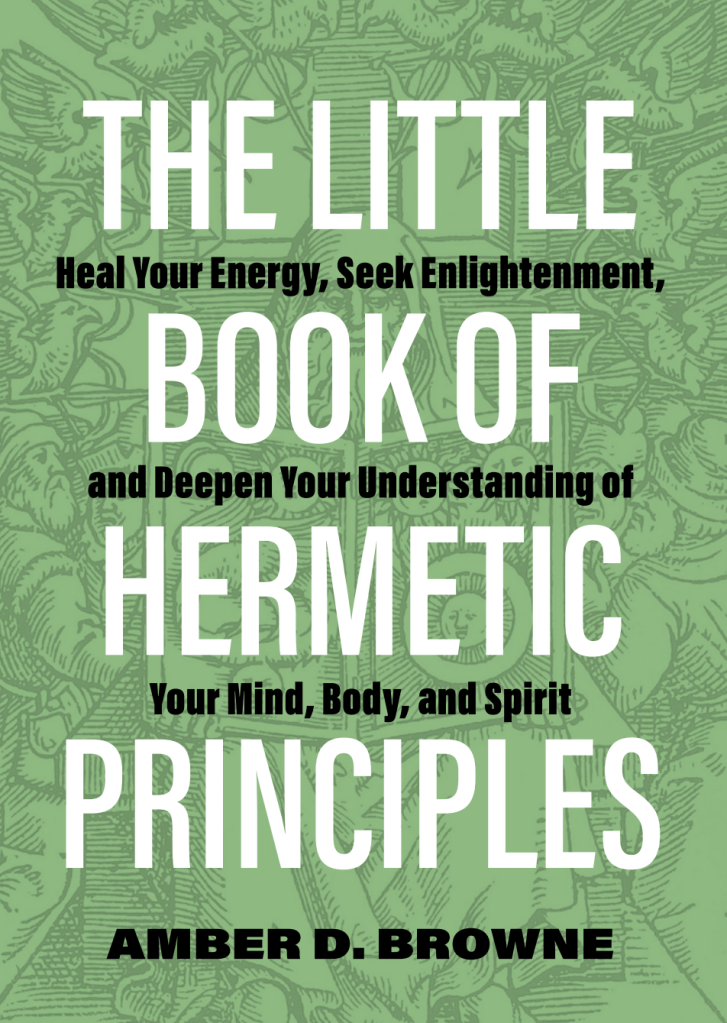
My lifelong dream has been to write a book. With the publication of The Little Book of Hermetic Principles: Heal Your Energy, Seek Enlightenment, and Deepen Your Understanding of Your Mind, Body, and Spirit, my dream has become a reality. Thanks to independent publisher Ulysses Press, I was able to research, write, and be involved in the editing process until publication.

The Indie publisher was searching for a potential author to write a book about the Hermetic principles. I was unfamiliar with the topic, but the opportunity stated the potential author should be familiar with the wellness space, mentalism, and vibrations, as well as have excellent research skills and the ability to write in an informative yet friendly style. This sounded like the perfect opportunity for me!

My background is broadcast journalism, so I know how to take what might be considered complicated information and write it in a way for the majority of the population to understand. I have always been interested in the power of the mind and energy, so I did a little research about the Hermetic principles. I knew this project was meant for me. I truly believe God put this opportunity in front of me so that I would take the initiative and begin a new journey in this life. I reached out to the acquisitions editor and ultimately received a contract to write the book. This was the push I needed to resign from teaching and start writing again full-time. This time, though, I would start a freelance writing business.

After signing the contract and receiving the first payment, I got to work on the 4,000-word outline. Prior to writing the outline, I researched Hermes Trismegistus and the Hermetic principles outlined in The Kybalion. I got a better idea about what I would cover, how I would go about sharing this ancient knowledge, and what type of guidance I would include to help readers implement this information in modern times.

An outline has always been my choice to organize during the planning stage of the writing process. I divided the book into three sections: Hermes Trismegistus and Hermeticism, The Kybalion-The Hermetic Principles, and The Mystical Teachings of Hermes Trismegistus. From this point, I was able to outline each section into chapters and determine how I would organize the book. Once the publisher approved the outline, I began the journey of writing my first book.

Throughout my career in broadcast journalism and freelance writing, I have reached out to thousands of experts and officials to share their knowledge about the subject matter I would cover. Research is a great way to get information, but when you can interview experts to share insight from their fields, you may discover information that never crossed your mind. As the interviewer, you can plan questions that will guide your writing for that section. If the experts add additional information that could be included, even better! You can find a way to work it into the text.

I found most of my experts through online searches. You can Google just about anything, and many times, you can reach out to organizations, associations, government entities, etc., for guidance on finding the right person to contact. If you know someone personally who would be a good fit, reach out to them! I knew several people who were experts in their fields or had knowledge on the subject matter for the book, so I was able to interview them to share their insight.

Whether you use a digital app or a physical recording device, always record your interviews! You can transcribe your interviews to guarantee you have the correct quote and information. Once you have done your research and have spoken to your experts, you can incorporate the information into your outline so that it follows the direction you are planning for your book.

I did not write the entire book in one document. I copied and pasted each chapter from the outline into a separate Word Document. The chapters were also divided into sections by subject matter, so it was much easier to keep the information organized. Once an entire chapter was complete, I would add it to the final Word Document. You could use Google Docs, too.

Two months later, I emailed the 40,000-word book to my acquisition’s editor. From there, I received editing recommendations, which took about a week to review and return to the publisher. The book was then formatted, proofread, and returned to me for review. I answered questions from the editor, proofread the book, and returned it with a request for one final review before publication. After the changes were made by the publisher, and I made one final proofread, the book was scheduled for publication.

Throughout the book writing process, I learned about contract negotiations, more about editing in different types of software, and of course, more about the subject matter. I am grateful for every aspect of my book writing experience. I appreciate Ulysses Press for giving me this opportunity and for everyone involved in the process. From the editors to the experts, they were all a vital part of bringing The Little Book of Hermetic Principles to fruition, and I am forever grateful.

The Little Book of Hermetic Principles: Heal Your Energy, Seek Enlightenment, and Deepen Your Understanding of Your Mind, Body, and Spirit is a beginner-friendly guide that delves into the wisdom and philosophy of Hermes Trismegistus and how it can be applied to modern life. The bookbegins with a brief history about Trismegistus and his ancient texts. As readers move into the chapters regarding the seven Hermetic principles, they discover how to harness the power of the mind, increase energy, and develop gender personality characteristics. Tips on meditation, music therapy, exercise, nutrition, prayer, crystals, astrology, nature, magic, alchemy, and so on, help readers foster a better understanding of reality, how the universe works, and the interconnectedness of everything.

This is my first book to author, but it will not be my last. You can find more of my written work at www.amberdbrowne.com. You can also find me on FacebookInstagramTwitter, and PinterestThe Little Book of Hermetic Principles is available for purchase at various online retailers including Amazon.

About the Author:

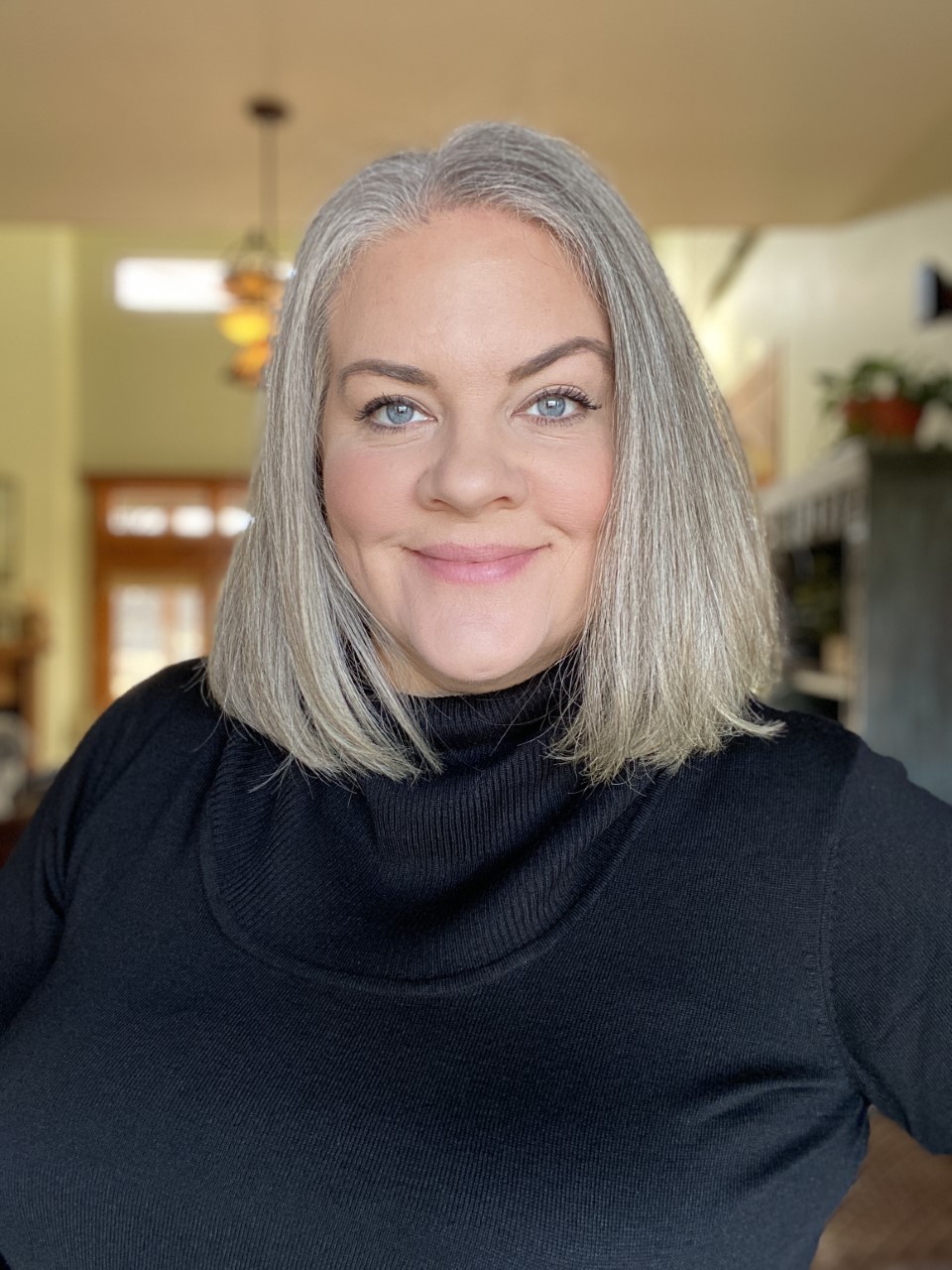
As a young teen, Amber D. Browne discovered her passion for the written word and for sharing information. After acquiring a BA in mass communication with a minor in history from Texas State University, Amber spent much of her career researching and reporting Texas news for radio. She later branched out as a freelance writer and editor for local magazines, and her desire to share her journalism experience led to a seven-year stint in junior high education as an English language arts/reading and media teacher. Amber resides in the Dallas-Fort Worth Metroplex with her husband and their two children. Find more of Amber’s written work at www.amberdbrowne.com.

* * *

Ashley O’Melia is an independent author and freelancer from Southern Illinois.  She holds her Bachelor’s Degree in Creative Writing and English from Southern New Hampshire University.  Her books include The Wanderer’s Guide to Dragon Keepingand The Graveside DetectiveHer short stories have been published in The Penmen Review, Siren’s Call, and Subcutaneous.  Ashley’s freelance work has spanned numerous genres for clients around the world.  You can find her on Facebook and Amazon.

As an Amazon Associate I earn from qualifying purchases. Please consider using my links to do your shopping and help me out at no extra cost to you!

Leave a comment

Filed under Guest Posts, On Writing

Guest Post: Yes, You are a Great Writer! by Teri M. Brown

As a writer, I know that words matter. Anyone can see that when simply looking at the phrases “big bear” and “humongous bear.” The first is one you run from. And the second? Let’s just hope you are running with someone a lot slower than yourself! However, I had never really considered how words affect our personal performance.

I am a cycling enthusiast – on an amateur level. My husband and I spent the summer of 2020 crossing the United States from the coast of Oregon to Washington DC on a tandem bicycle – a whopping 3102 miles. He’s the cycling guru. I went along for the adventure. Of course, having had that experience, people now send me great articles about cycling. A recent one was a study about cycling performance and the words we use (To me, to you: How we say things matters for endurance performance).

The gist of the study is simple. How we talk to ourselves as we try to achieve something matters. And the best way to achieve something is to talk to ourselves in the second person. In the study, cyclists were asked to repeat mantras while training. Those that said something like “You are a great cyclist” actually went faster than those who said the same thing but in first person – “I am a great cyclist.” The theory is that by saying “you” instead of “I,” we become our own cheerleader from the sidelines of our mind.

Now, let’s bring this back around to writing. I know that, as an author with a debut novel, I sometimes feel like a fake. Have you ever heard of imposter syndrome? It’s that feeling that I am a fraud – that if someone could really get inside my head, they’d learn that I’m not really an author after all. Or they’d find out that this novel was just a fluke and nothing like it will ever happen again. It’s a crazy thought, but I’ve learned that I’m not the only author who feels this way.

So, I’ve decided to use the power of words to change up how I feel. Each morning, I look in the mirror and repeat: “You are an author. You write great stories that people want to read. You know how to connect with your audience.” I figure if it works for elite cyclists, it should work for me – and for you.

Give it a try. How does it feel being your own best fan? Feel free to drop me a note and tell me what you think.

About the Author:

Born in Athens, Greece as an Air Force brat, Teri M Brown came into this world with an imagination full of stories to tell. She now calls the North Carolina coast home, and the peaceful nature of the sea has been a great source of inspiration for her creativity.

Not letting 2020 get the best of her, Teri chose to go on an adventure that changed her outlook on life. She and her husband, Bruce, rode a tandem bicycle across the United States from Astoria, Oregon to Washington DC, successfully raising money for Toys for Tots. She learned she is stronger than she realized and capable of anything she sets her mind to.

Teri is a wife, mother, grandmother, and author who loves word games, reading, bumming on the beach, taking photos, singing in the shower, hunting for bargains, ballroom dancing, playing bridge, and mentoring others.

Teri recently published her debut novel, Sunflowers Beneath the Snow, a historical fiction set in Ukraine that follows three generations of women. You can read the first chapter for free by joining her email list at https://deft-pioneer-4478.ck.page/c6edd375dd

Follow Teri on her website www.terimbrown.com

Or via the following social media:

Facebook.com/TeriMBrownAuthor

Twitter.com/TeriMBrown1

Instagram.com/TeriMBrown

LinkedIn.com/in/TeriMBrown

Goodreads.com/terimbrown

Pinterest.com/terimbrownauthor

Amazon Author: https://www.amazon.com/author/terimbrown

Leave a comment

Filed under Guest Posts, On Writing

Guest Post: Top Tips on How to Write Convincing Dialogue by Natalia Hooker

Whether we write fiction or non-fiction, dialogue can make a book much more interesting. However, it’s important to get the dialogue right.

So many times I have a read books and the dialogue is written in the same voice as the author. To write convincing dialogue, it is necessary to show the character’s personality through the way they speak.

When you are writing dialogue, I suggest to not only use a sentence here or there, but it’s wonderful to see a whole conversation come to life through dialogue. Think of it like you are watching a scene on the stage or in a movie.

Many authors aspire to have their books created into a film, and its good if you think of your dialogue that way. If you were writing a screenplay, how would the characters talk? Dialogue can make your scenes come alive.

Here are some tips to help get you started in writing convincing dialogue:

Listen closely to people talking, and hear how they express themselves. Everyone has a unique was of speaking. You need to know your character well enough so you know how they would talk.

Where is your character from? Do they have an accent? It can be fun to ‘hear’ their accent. For example, this is a character from my novel Flipped, which is about a girl band set in Italy:

Si, your cousin from London will photo us?” asks Ilaria.

Ilaria says “Si” which is yes in Italian, and then she says “photo us” instead of “photograph us”.  This is a common type of mistake I have heard many Italians make when speaking English, so I used it in the dialogue for this Italian character.

The next step is to make sure that the characters have consistent voices throughout the book. You have to know your character deeply, and what they would say and how they would say it. It’s no use capturing their unique way of speaking for a few lines only, you need to follow through so it’s consistent until the end. That said, do not overdo it either, as too much can distract from the story. For example, just a little tweak here and there to remind the reader of their accent is sufficient.

Another point to consider is the age of your character. Younger and older people have different ways of speaking, so be sure to capture the voice of the right age group.

What time period is your story set in? It’s important to be true to the era of your setting. Remember that we use a lot of colloquialisms with the way we talk today. Even just a few decades ago, the way of talking was more formal.

I was editing the work of a client for a novel set in the 1800s. She wrote that one of her characters said, “See you around.” This is modern language use which threw me out of the world she was creating. If your story is set in a certain time period, ensure you are versed with how people would speak in that era.

The correct use of tags with dialogue is important as well. Usually just a simple: he said, she said, is sufficient. And when it is clear who is talking, especially when it’s a conversation between just two people, no tag is needed.  Overusing tags can actually distract from the dialogue.

For example, “Oh my goodness!” she exclaimed suddenly. If it’s clear who is talking, it would be cleaner to simply write, “Oh my goodness!” Also, a usual rule of thumb is to avoid using adverbs with your tag.

One final point is to not underestimate the importance of dialogue in children’s books. Quite often we only think of dialogue for fiction. However, good dialogue can make non-fiction come alive and, even in a very short children’s book, it can make the reading of a book a lot more fun for the children.

If you have any questions about dialogue or would like to participate in a dialogue writing workshop (via zoom), please do not hesitate to contact me.

***

Natalia Hooker is the founder of Alaya Books. With over 20 years’ experience in publishing, she is a professional editor, writing coach, publishing consultant and publisher. Whatever stage your book is at, Alaya Books will help make your book a reality. Visit www.alayabooks.com.

Natalia is the author of many books including the biography, LJ Hooker The Man, and The Misha the Travelling Puppy children’s series.

***

Ashley O’Melia is an independent author and freelancer from Southern Illinois.  She holds her Bachelor’s Degree in Creative Writing and English from Southern New Hampshire University.  Her books include The Wanderer’s Guide to Dragon Keeping and The Graveside DetectiveHer short stories have been published in The Penmen Review, Siren’s Call, and Subcutaneous.  Ashley’s freelance work has spanned numerous genres for clients around the world.  You can find her on Facebook and Amazon.

Leave a comment

Filed under Guest Posts, On Writing

Guest Post: 25 Things Writers Need by AE McRoberts

Greetings, padawan! Today I’m so excited to be writing a post for a fellow Ashley. Because us Ashley’s need to stick together…we’re only the number 154 ranked name in the world after all 😂

Today we’re going to dig into one of my favorite sections in Chuck Wendig’s book 500 Ways to Tell a Better Story. Have you read it? It’s a great writing resource, and I highly recommend it. He shares some fantastic insights, and I got a lot from it!

So, let’s go, 25 Things Writers Need:

#1: A good chair

As a writer, we spend a lot of time sitting, so investing in a good chair is paramount to both comfort and marathon writing sessions. But here’s my bone to pick…standing desks. Smart ass scientists have proven that sitting on your tush all day long isn’t exactly good for you, so I say forgo the chair and get a standing desk instead…or maybe a treadmill desk.

Lose weight and kill off characters at the same time, what’s not to like!

#2: A word processing program you don’t hate

Like any opinion, the answer to this varies wildly. Some love Scrivener (I’m in that camp), others hate it. Some use Google docs, others Word. And there are SO many writing programs available out there to choose from.

But my advice, try them all. Experiment. Learn exactly what works for you and run with it. Because at the end of the day, it’s about you, the writer, and the specific program to you doesn’t much matter.

#3: A way to track change

I use a simple numbering system. My first draft is 1.1, my second is 1.2 and so on. Once, I got up to 1.15! As with all these suggestions, do what works for you. BUT, the most important thing I’ve learned as an author is don’t delete anything (anything as in entire stories, I’m not saving like individual sentences…well, maybe sometimes, lol).

I might put a story in my ‘this is shit’ pile, but I don’t delete it. Because you don’t know when and where you can reuse something.

#4: Spreadsheets

Okay, my husband loves his spreadsheets, but I never really learned how to use them. But they are a useful and clear way to organize some sorts of information if that’s your jam. If you’re smarter than me, go for it!

#5: A way to back up your work

Thankfully, being married to a tech-savvy dude has saved me. Because early in my writing career, he drilled home the importance of backing up my work. He got me a Dropbox, and I totally love it. I have my photos, and everything I’ve ever written. Like I said above, I delete nothing so there’s a lot in there!

I’ll stress this: Get SOME sort of backup service, and regularly (or automatically) backup your stuff. Because that sinking realization that you’ve just lost an entire manuscript is the worst feeling in the world.

#6: Another way to back up your work

Proper previous planning prevents piss poor performance. In the military they say “two is one and one is none”, so in this case, assume your one backup will somehow fail, and have a secondary system. Or hey, if you’re extra paranoid, triple down. I always put my manuscripts on a thumb drive as well. They’re a cheap way to ensure that I always have what’s important.

#7: A way to take notes anywhere

Be prepared, padawan, for a story from my past. I was walking my kid to REI, (they have a great slide there), and I was listening to music. When the song “Sway” by Rosemary Clooney came on, I thought (and I still do) the chorus said ‘I can hear the sound of violence, long before it begins,’ but the actual lyric is violins, not violence.

Since I misheard the lyrics, as I walked I began plotting a story where these dudes can actually sense violence. When we got to REI, I whipped out my trusty iPhone and began world building.

It was then that I learned the truth of this statement. Always have something to record your notes, thoughts, musings, ideas on, wherever you are. It can be paper or digital. Always be prepared to follow the muse.

Some go to the extreme and wake up in the middle of the night to record dreams, but I value sleep way too much for that. If it’s good, I’ll remember it again in the morning…hopefully. Lol.

#8 A most excellent pen

I’m almost confident saying that all writers are a little obsessed with notebooks/pens. I love them 😍

Granted, I’m not really into like fancy pens, I’m more of a cheap BIC pen type (remember, “most excellent” just means you like it, doesn’t have to be fancy). But as it so happens, writing engages a different part of the brain than typing, so I always have to brainstorm/plan on paper. I can’t seem to be happy with what I brainstorm when I type. Weird, I know.

Anyhow, having a good pen and paper is inviable to give your musings a little boost.

#9 Whiteboard and/or cork board

This one fills me with sadness, so I might cry a little. 😥

My fam and I are digital nomads, so I travel around Europe, moving every 90 days or so. This means that I live out of suitcases. And unfortunately, I can’t travel with anything very large. I miss my whiteboard so much. It’s such an excellent resource to organize, plan, and structure. I could put up notes and keep track of elements I wanted to. I could write little encouraging notes and pin baby pictures. One day I’ll have an entire wall that’s a magnetic whiteboard, and that will be bliss.

You haven’t plotted a book until you’ve done it full scale on a whiteboard!

#10: The Internet

Both a writer’s best and worst friend: the internet. Between the dictionary and thesaurus, Reddit, and Wikipedia, the internet is a must-have to construct stories, edit them, and publish them.

You could go all Thoreau and write off-grid in a cabin somewhere, no internet, no electricity, but meh, that’s overkill. Having the internet at your fingertips makes writing 1,000 times easier.

And this leads to our next point.

#11: A way to escape the internet

The dangers of the internet are very real, and no, I’m not talking about spending hours and hours browsing pancake recipes. Though, that is a really perilous rabbit hole if I do say so myself.

I’m talking about procrastination.

Spending hours researching the accuracy of one line, or the endless distracting black hole of social media. It takes some self-control not to spend every moment of writing time doing something other than writing, but once you strengthen that muscle, it gets easier!

Flow helps a lot also, because once I get into the flow of writing, social media doesn’t seem as appealing. There are some tricks you can do, like website blockers and full-screen mode, but mostly it’s just self-control.

#12: A website

Every author should have one. Period. Even if it’s just a pretty picture and your name. Because once you publish, you’re going to want to have a nice place to showcase all your books and merchandise. It should be easy to remember and spell. Ideally, it should be your name (or pen name). I was lucky enough to get aemcroberts.com. Super simple, and it’s me!

You don’t need to be tech savvy either to have a nice site, you can easily throw up a nice template via WordPress or build a one-page site in Carrd.co in a matter of minutes. But your website will be the spoke of your digital presence, and your publisher will expect you to have one, so chop chop!

#13: Books and Stories

I’m of the firm opinion that a writer should also be a reader. It comes with the territory.

You can’t write good stories if you don’t read extensively, because creativity requires seeds of inspiration! So, all authors should collect favorite books and stories. I have easily fifty super-duper favorite books that I can read over and over. The good news, this doesn’t have to mean shelves and shelves of traditionally published paper books. This means fanfic, audiobooks, Kindle Unlimited, and even little kid stories!

The more widely you read, the more idea sex you can have. 😊

#14: Music and other art

This one is a little obscure, sure, but relevant. Authors are creators. We imagine and daydream and harness the muse. As creators, we should collect and appreciate material from all sorts of other creators. This means artists and musicians, sculptors, performers, you name it. The muses aren’t just limited to writing. They are that piece of you (or anyone) that urges them to go make something new!

#15: Healthy snacks

As discussed above, writers spend a lot of time sitting. That means not a lot of time spent moving. Which means that you shouldn’t be cramming artificial sugars down your throat, cause that’s a recipe for becoming corpulent, very corpulent.

But here’s the catch: brains use glucose, so sometimes to get your brain really working, you need brain snacks. That doesn’t mean go straight to some factory processed shit. Grab nuts, dried fruit, fresh fruit.

#16: Blood flowing to your brain

This, Padawan, is important. Your brain is a highly efficient and complex organ. Sitting on your ass for hours at a time isn’t an ideal recipe for success At least once per hour, get up and move! Do squats or pushups. Go for a short walk. Do something to get the blood flowing.

Fun fact, I do squats as part of my prewriting routine every day. It tells my brain that I’m about to get creative and it works wonders!

#17: A good shower

I’m a shower girl. I love showers, even more than a nice hot bath. It’s the feeling of water hitting my skin and washing everything away. But when you do something routine, something familiar, that frees up your brain to think about other things. That’s why showers and driving can be so important to solving problems. So next time you’re stuck, take a shower!

And think of me while you do it. 😉

#18: An afternoon pick-me-up

Afternoons can be a slog. They drag on, you get lethargic, and sort of blah. But that doesn’t have to be the case! No!

Take some time to do something invigorating. Listen to some screaming punk music, or go for a run. But it doesn’t have to be something major. Turn on some opera and sing your heart out. Recite dirty limericks to yourself in the mirror. Mix it up. Live a little.

#19: Other writers

Writing isn’t entirely a solo sport, it’s actually very much a team effort. It takes lots of people to bring a story to life. Sure, one person might write it, but there are so many more involved in the full process.

There are alpha, beta, and gamma readers. There are editors and proofreaders. There are cover artists and formatters. It doesn’t just take a village to raise a kid., it also takes a village to make a book. So, go out and find others!

This one is hard for me because I’m an extreme introvert. Between my husband and kid, I get enough human interactions to last me forever, so it can be a little challenging to reach out. But it can be worth it!

#20: People who have absolutely nothing to do with writing, ever

Stories are about humans surmounting challenges and obstacles. To really learn how humans would react/interact, you need to have some experience with people. Experience people and all they offer, the good, the bad, the ugly, and the most excellent 😊.

Every single person you encounter, in real life or media, is a potential source of character and story inspiration!

#21: An editor

The best writers need great editors. The worst writers need editors. Editors are the saviors of the written word (cough, like me, cough).

You should have a strong relationship with your editor. They should understand you, get you, and your writing voice. But, you should also trust them enough to listen to their advice, and don’t take every editing recommendation as a personal attack. Find someone who you can strike a good balance with, and who gets you, because a partnership with a bad editor can be as poisonous as poorly prepared pufferfish sushi…well, maybe not quite that bad, but close enough.

#22: A daily writing goal

I don’t necessarily agree with this one. There are some days that I can’t write, because of whatever circumstance, or if I’m taking a writing break. But sometimes authors need that sort of push to motivate them. Stories burn in me. I have to write, and if I don’t, I go insane. Literally. So, to me, a daily goal isn’t needed. But I’m a unique pancake. If you need that motivation, then set it. Make it reasonable and don’t beat yourself up if you don’t make it, but have clear, simple, and achievable daily goals.

#23: Deadlines

Some perform well under pressure. Others, not so much. So, this one is entirely personal and you should decide what’s best for you (unless you sign a book deal, in which case you have a responsibility to deliver on time, and missing deadlines is no bueno…I’m looking at you Rothfuss and Martin).

Writing should be a joy. It should be fluffy pancakes piled high with fresh strawberries, whipped cream, and maple syrup. It shouldn’t be stress and heartache and misery. So, if you work better under a deadline, give yourself one. Or if you work better without a deadline, then don’t…unless you have a book deal, and then see above.

#24: A finished manuscript

It doesn’t matter if it’s shit. It doesn’t matter if it’s poorly written or the best thing ever. Just finish. You can set it aside or polish it to publish. Just finish. I have like ten stories I wrote as practice that are just sitting in my Dropbox, and I’ll probably do nothing with them other than mine them for cool characters or random ideas.

But I finished them. It’s that hard, and that easy.

#25: An audience

I’m of the opinion that you should write about what inspires you, and the audience will follow. But that has a big caution flag next to it. If you write about a demented old man who goes around murdering babies, your audience might be tiny. But generally, there are people who will read anything.

Just be aware that your passion might not translate well if it’s more extreme. I find that it’s harder to write when you’re not burning with the need to write *this* specific story though, so I hope the stories you burn for have nice large audiences 😉

Well, padawan that’s it for Chuck Wendig’s 25 Things All Writers Need. What’s your score? Do you have all 25?

As I’ve said, this list is his opinion and highly subjective, and even with none of these things, you can still be an amazing writer. So, don’t stress about it, take it or leave it as you see fit, and maybe go out to Hobby Lobby and buy all their whiteboards.

Now, go forth and write!

***

AE McRoberts is a romance/fantasy author and developmental editor who lives out of suitcases and travels Europe with her husband and son. When she’s not writing or editing, she’s reading, gaming, or eating pancakes. You can read more of her writing at AEMcRoberts.com, or you can find her on Twitter and Reddit.

***

Ashley O’Melia is an independent author and freelancer from Southern Illinois.  She holds her Bachelor’s Degree in Creative Writing and English from Southern New Hampshire University.  Her books include The Wanderer’s Guide to Dragon Keepingand The Graveside DetectiveHer short stories have been published in The Penmen Review, Siren’s Call, and Subcutaneous.  Ashley’s freelance work has spanned numerous genres for clients around the world.  You can find her on Facebook and Amazon.

As an Amazon Associate I earn from qualifying purchases. Please consider using my links to do your shopping and help me out at no extra cost to you!

valentines day card, love and kindness concept, heart painted on frozen glass window

Like what you’re reading?

Consider making a donation to help keep this blog going!

$1.00

2 Comments

Filed under Guest Posts, writers resources

Guest Post: Blending and Balancing Work and Home by Barbori Garnet

This guest post is by Barbori Garnet, author of Home at the Office: Working Remotely as a Way of Life.

The boundaries between work and home can become blurred, or perhaps even seem nonexistent, when working from home. To help with the balance between work and home, below are some ideas to make that happen.

Try journaling – Start your day or wind down your evening with journaling. It can be an excellent way to focus your thoughts before beginning work or getting your thoughts down to help you relax before bed. Choose a notebook that you like and a comfortable place to settle in, with a cup of tea in hand, for a special time of journaling.

Go outside – It can be as short as 10 or 15 minutes or as long as an hour – or longer – just as along as you get outside for a walk, jog, bike ride, ice skate, or cross-country ski. Getting fresh air and moving your body will help you reset during your work day – such as during your lunch break – or in the morning or afternoon, if you have some flexibility in your work hours or schedule.

Take breaks at home – Even at home, you can implement a few changes that will help establish a clear boundary between work and home. Some things to try include:

  • having a picnic lunch on your porch or in your yard
  • taking quick 5-minute exercise breaks throughout your work day to weightlift, do squats, lunges, or jumping jacks
  • depending on the season and climate you are in, spending 15 minutes in your garden planting, watering, or weeding can help to take a step back and come back refreshed

I hope that, by giving the above suggestions a try and including the ideas throughout your day, you will find more balance between work and home, making both more enjoyable.

***

Barbori Garnet is a writer and author of Home at the Office: Working Remotely as a Way of Life (Atmosphere Press, September 2021), artist, musician, and gardener based in Alberta. She
enjoys writing non-fiction and writes on remote work, home offices, gardening, and more.

Barbori has a BFA from Academy of Art University and an MA from Southern
New Hampshire University.

***

Ashley O’Melia is an independent author and freelancer from Southern Illinois.  She holds her Bachelor’s Degree in Creative Writing and English from Southern New Hampshire University.  Her books include The Wanderer’s Guide to Dragon Keepingand The Graveside DetectiveHer short stories have been published in The Penmen Review, Siren’s Call, and Subcutaneous.  Ashley’s freelance work has spanned numerous genres for clients around the world.  You can find her on Facebook and Amazon.

As an Amazon Associate I earn from qualifying purchases. Please consider using my links to do your shopping and help me out at no extra cost to you!

Leave a comment

Filed under Guest Posts, Work, Work-at-Home Mom

Open for Submissions!

I’m happy to say that my blog is once again open for submissions! Acceptable topics for guest posts include book reviews, just about anything regarding reading and writing, short fiction, and poetry. Book review requests are closed at the moment, but hopefully I’ll be able to get back to that soon!

You can check out my Contact and Submissions page for more information. Please feel free to ask any questions, and I look forward to hearing from you!

* * *

Ashley O’Melia is an independent author and freelancer from Southern Illinois.  She holds her Bachelor’s Degree in Creative Writing and English from Southern New Hampshire University.  Her books include The Wanderer’s Guide to Dragon Keepingand The Graveside DetectiveHer short stories have been published in The Penmen Review, Siren’s Call, and Subcutaneous.  Ashley’s freelance work has spanned numerous genres for clients around the world.  You can find her on Facebook and Amazon.

Leave a comment

Filed under Blogging, Book Reviews, Guest Posts

Guest Post: Poetry by Christo N

Breathe Deep, Seek Peace:

The tree of wisdom beckons

To all who would heed its call

The ancient power of nature

Breathing life into

Our weary souls

Let this fresh knowledge

These new synapses firing

Be a rapturous discovery

Of the healing power

Contained within

The oceans, rivers and forests

As the waves wash away

The pain and longing

And the wind in the trees

Whispers sweet nothings

To nurture peace within

Our tired thoughts

With time

We could spiral upwards

With content and meaningful

Thoughts, words, actions

Gliding

Surfing

Floating

On the beauty

Found only on planet earth

This blessed world

With all its angels and devils

Has all we need to find

Heaven within ourselves

You just need to know

Where to look

Start with the tree of wisdom

Drink deeply from the springs of knowledge

And never, ever, ever give up

Christo N is a poet/writer from The ACT, Australia who spent 6 years incarcerated in the Alexander Maconochie Centre.

Whilst locked up he began writing poetry and has continued after release. A lot of his poetry reflects the process of self development that only comes with years of introspection and hardship.  

He uses the metaphor of being lost at sea for the hard years doing time and feels incredibly blessed to be back to the safe harbor of freedom.

You can find his blog here.

***

Interested in having your work featured here? View the submission guidelines.

1 Comment

Filed under Guest Posts, Poetry

Open for Submissions!

I’m happy to say that my blog is once again open for submissions! Acceptable topics for guest posts include book reviews, just about anything regarding reading and writing, short fiction, and poetry. I’m also open for book review requests if you’re interested in getting a little more traffic for your novel.

You can check out my Contact and Submissions page for more information. Please feel free to ask any questions, and I look forward to hearing from you!

* * *

Ashley O’Melia is an independent author and freelancer from Southern Illinois.  She holds her Bachelor’s Degree in Creative Writing and English from Southern New Hampshire University.  Her books include The Wanderer’s Guide to Dragon Keepingand The Graveside DetectiveHer short stories have been published in The Penmen Review, Siren’s Call, and Subcutaneous.  Ashley’s freelance work has spanned numerous genres for clients around the world.  You can find her on Facebook and Amazon.

Leave a comment

Filed under Blogging, Book Reviews, Guest Posts